
Elite Summoner’s Rift Formally Refuses To Forgive A Single Bad Teleport
In MOBA games, every element is important, as is an understanding of the game mechanics. One of the most underrated elements, particularly amongst newcomers, is teleportation. The modern high-level meta-game has transformed macro-play into a mathematically precise system, where a correctly executed teleport can turn the game on its head.
An analysis of professional matches at summer tournaments shows that 74% of failed teleports in the first half of the game result in the loss of at least two turret plates or the loss of the Dragon. In this article, we’ll explain why teleport is important in LoL and how professional players use it.
The Evolution of Map Mobility and Strategic Accountability
The evolution of the LoL esports scene and other MOBA titles demonstrates a steady transition from pure chaos to meticulous strategic planning. Back in the 2018–2020 seasons, a bad rotation to the bottom lane could still be bailed out by raw mechanical skill or an accidental mistake from the opponent, whereas modern matches leave virtually no room for randomness.
Professional teams from South Korea (LCK) and China (LPL) base their draft strategy largely on early lane control and the cooldown timings of global spells. Teams such as T1 or Gen.G Esports use the first 10 minutes of the match to minimise the need to use TP defensively. If a player uses this resource inefficiently, the opponent immediately pushes the lane, depriving the rival of dozens of minions and hundreds of gold.
According to Riot Games’ statistics, in the 2026 Spring Split, the average delay in casting Unleashed Teleport after a fight begins in the river zone is no more than 0.8 seconds. Any delay means that even the best league of legends teams can lose within the first 15 minutes. The professional level leaves no room for error, and teams that ignore this fact instantly find themselves at the bottom of the regional league tables. Furthermore, the current version of the map requires effective movement both with and without teleport.
The Direct Economic Consequences of a Miscalculated Spell
League of Legends, particularly on the professional scene, does not tolerate wastefulness, and every second a player is away from their lane translates into an advantage for the opponent. When a top laner uses Teleport at the wrong moment, they lose not just time, but experience, which in the current meta is worth far more than gold. A one-level difference on the solo lane around the 9-minute mark increases the chances of losing the next duel and losing control of the top half of the map.
Official analysis on the ESPN Esports website and other well-known publications has repeatedly emphasised that the gold value of a single destroyed turret plate is 125 gold coins. Poor map movement that fails to secure kills or objectives for the team allows the opponent to take two or three turret plates unhindered, which is equivalent to a full solo kill. Add to this the loss of two waves of minions, and the gold deficit instantly reaches 500–600 units in just a single game sequence.
As for the use of abilities, modern coaches require players to leave them exclusively for situations with a guaranteed result (80%+ probability of success). A good example is such a League of Legends team of T1 who do not waste abilities, but use them clearly in the right timings. Other top-level teams also implement these strategies well, but T1 is an example of quality execution and microcontrolling.
Psychological Pressure and Communication Breakdown on Stage
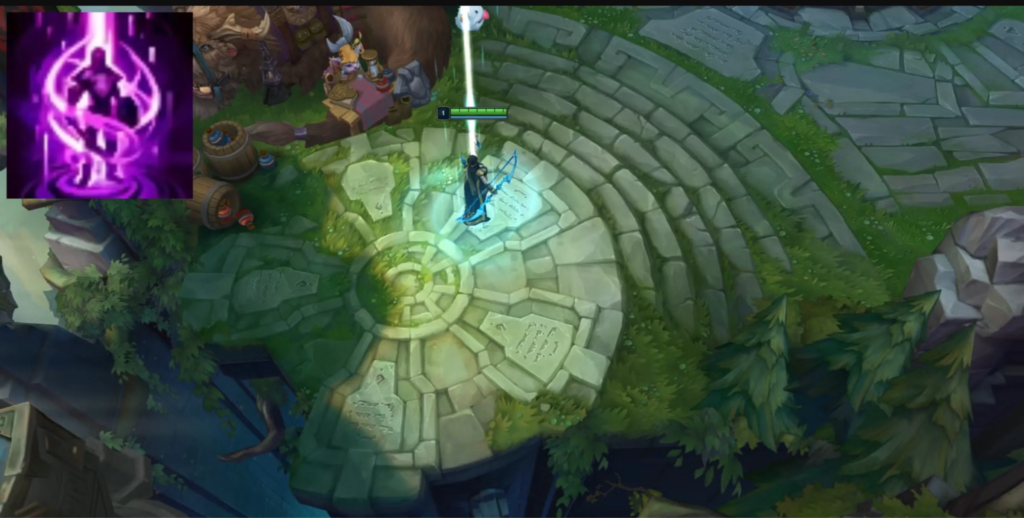
When analysing the correct execution of Teleport, it is clear that coordination sets a professional team apart from novices. Pressing the button takes a fraction of a second, but it must be preceded by a clear series of reports from the support and the jungler regarding control status, the enemy carry’s position, and readiness to engage.
When a player initiates the teleport, all the opponents’ attention is focused on their intended landing point, making them the most vulnerable target. The team must secure a safe landing zone for their top laner so that they do not appear in the middle of a fight with half their health bar already depleted and their abilities on cooldown.
Statistics show that the psychological effect of one failed global maneuver significantly affects the further decisions of the team during the match. Players begin to act too cautiously, or vice versa too aggressively, which destroys the team’s overall game plan. In major tournaments such as LoL Worlds or MSI, where the pressure of the stage and millions of spectators squeezes all the forces, such mental destabilization is the main reason for the loss of teams.
The Micro-Mechanics of Perfect Teleportation Execution
The technical aspect of the spell implementation requires the eSportsman to have filigree accuracy with the camera and an ideal sense of timing. Some pro players even use special hotkeys to instantly switch the camera to the positions of allied totems. The slightest error in the positioning of the cursor leads to the fact that the character begins to move on foot instead of instantly launching the teleport.
An important element is also the choice of an object for teleportation, because Unleashed Teleport allows you to cling to wards, minions and even small objects. Landing on a near swordsman minion puts the character closer to the enemy, so using this type of teleport is worth it on champions with a lot of HP. Such trifles, invisible to the average viewer, however, have a significant impact on success in team fights and laning.
If you want to learn proper analytics and effective Teleport usage, follow these guidelines:
- Analyze the current lane states and the minion wave positions on the opposite side of the map.
- Check whether enemy champions have basic crowd-control abilities that can interrupt the cast.
- Evaluate the threat level from the enemy jungler, who may set up a counter-dive in your landing zone.
- Track the exact timing until the appearance of key objectives (Baron, Dragon, or Elder Dragon).
Even flawless mechanical play on the lane can be undone by a single chaotic or belated decision. Elite teams have honed the teleport mechanic to the point of absolute automation, leaving amateurs no chance of accidental success.
Conclusion
Modern League of Legends has evolved into a discipline where strategy and discipline take precedence over individual mechanical skills. The effective use of Teleport has become a tool capable of turning the tide of a match. Summoner’s Rift places the most stringent demands on every instance of timing, movement and mouse click. Teams aiming to conquer the international stage and lift trophies will have to master team synergy, strategic analysis and mental resilience, whilst training relentlessly.